

“To Those Who Dream Too Much...”
In conversation with Micha Volders.
By J.Krekels
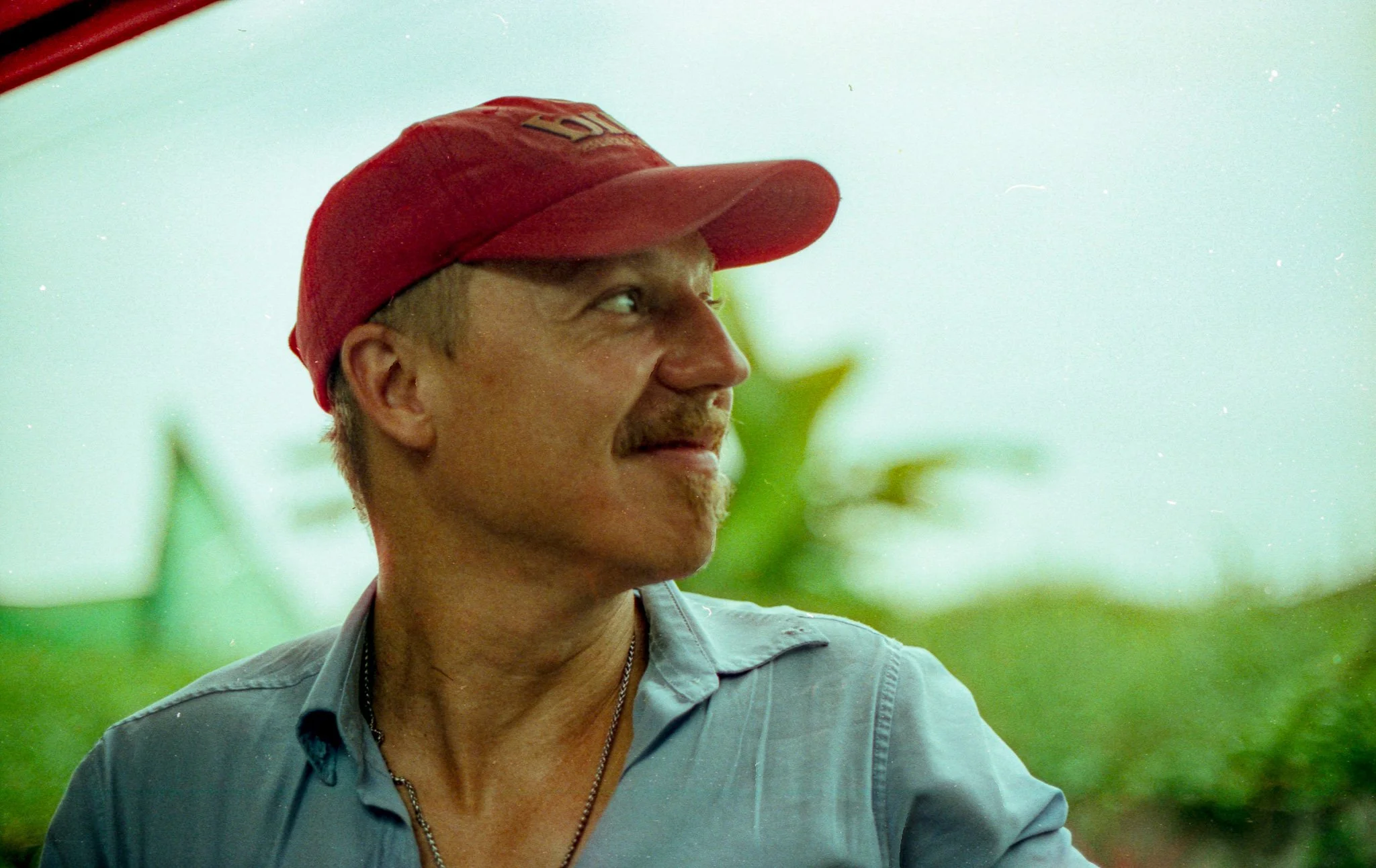
From graduating cum laude in Animation Film and touring European punk clubs in the ’00s with the chaotic El Guapo Stuntteam, to building the surreal universe of Vermin Twins with Lotte Vanhamel, travelling through space and beyond with Meteor Musik and Jaak De Digitale, making VHS soundtracks with Chrome Brulée, recording and producing albums for Mauro Pawlowski and The Germans, collaborating with visual artist Miet Warlop on ICCHĀ in Dhaka and It Never SSST in Venice, and having 4-bit fun with Dijf Sanders in GameboyzIImen — for over two decades, Micha Volders has inhabited countless worlds.
Since its inception five years ago, Volders has consistently released new projects on his label, Mutropia, which he describes as “like an abandoned ship, isolated in the middle of the sea: a place to be undisturbed and fish for new ideas.” Operating outside the music industry, he thrives on complete freedom and loses interest when things become too corporate or repetitive. “I have never understood the act of selling out. In a world where everything is already so controlled, quantified, flattened, lifeless… why sacrifice your creative soul for money, fame or anything? It may be the last token of integrity you possess, and you may never get it back.”
Unplugging.
We’re seated in a quiet corner of a local café in Hasselt that smells of celery soup and cigarettes, a place that feels like archaeological proof of another time. Volders shakes his head, lamenting the disappearance of places like this. “Lately, every single authentic thing has to make room for global corporate trash.” “Look at Starbucks buying up all the train station cafés, selling horrible coffee for €6 a cup, while probably exploiting half of the world’s coffee farmers! Please! Don’t drink Starbucks coffee…” he begs me.
He leans back, staring into the distance. “Yeah, I know, it’s easy to be a complaining old fart!” He laughs. “But I’m not hopeless… I think one day people will break the mould we’re living in now and take matters into their own hands, organising things on their own terms, giving these corporations and big tech the middle finger, unplugging all of the bullshit, and going back to real human interactions. You see it already happening here and there.”
However great the temptation to keep pondering such matters, we’re supposed to talk about SǒN, his first short film and also an album. It’s a rogue DIY project, a hybrid universe that mixes dream and reality, fiction and documentary into a story where failure, perseverance, legacy, and human vulnerability collide.
The Beginning of an Impulse: SǒN.
In March 2023, Volders began outlining the first contours of the project. “I already had an interest in Muay Thai,” he recalls. “Not just as a martial art, but as a cultural phenomenon… the rituals, the discipline, the way it’s deeply embedded in Thai society. There’s also the contrast between the brutality of the practice and the humble grace it demands; it’s incredible. But as an outsider, it’s tricky. I didn’t want to fall into Orientalist ‘kung fu’ clichés, nor appropriate it, but rather approach it with respect and humility,” he confesses. “At the same time, I wanted to visit my much-missed brother Jethro, who had been living and working in Bangkok for many years with his partner. It felt as though these two things aligned at the right time.”
Before he took off, he contacted several Muay Thai associations and clubs. To his surprise, he quickly received a response from none other than Samart Payakaroon, a four-time Lumpinee champion and legendary fighter of the ‘Golden Age of Muay Thai.’ “When I read that he was willing to participate, I couldn’t believe it at all,” says Volders. “It was surreal. Of course, I didn’t have the budget for the fee he requested; it was far beyond my reach. But the fact that he even replied, that he took my proposal seriously, was pretty crazy. But man! I was also intimidated: the idea of placing such an icon before my inexperienced lens… I felt completely unprepared.”
The second reply came from Grandmaster Woody, or Chinawut Sirisompan, another renowned name in the Muay Thai world and president of the Muay Boran Association of Thailand, the organisation dedicated to preserving Muay Boran, the traditional and deadly precursor of Muay Thai, used centuries ago by Thai soldiers in wars with Burma.
“He was immediately very helpful in finding locations and actors,” Volders explains. “His name already sounded so mythical; I was completely intrigued. When I finally met him, we had a great conversation, and he shared all these legendary stories: how he met Bruce Lee in Bangkok during the production of The Big Boss in 1971 and was invited to train with Lee; how he later landed a role in the James Bond film The Man with the Golden Gun; and how he worked as a bouncer in England in the late seventies. After nights of knocking hotheads to the ground, some of these guys started asking him for training, and that’s how he opened one of the first Muay Thai gyms there. He truly embodied the entire history of the sport. Meeting him was incredibly enriching. I was very lucky that he supported my project.”
places Of Pain, Encounters in Endurance.
The journey took him to many memorable places. In Bangkok, he visited the Sangmorakot Gym, where he interviewed the owner. “I tried to learn as much as possible about the sport, the culture, and the aura surrounding it, but when you step into an open-air gym like Sangmorakot, where only hardened professionals train and fight at the legendary Rajadamnern Stadium, you feel seriously intimidated. Their strength, coordination, and speed are simply insane… it’s incredible how far a body can be pushed through years of intensive training. You also feel how fragile you are as a ‘normal’ person… Initially, I felt like an intruder, but after a few conversations, some of the athletes opened up, and we had some interesting conversations.”
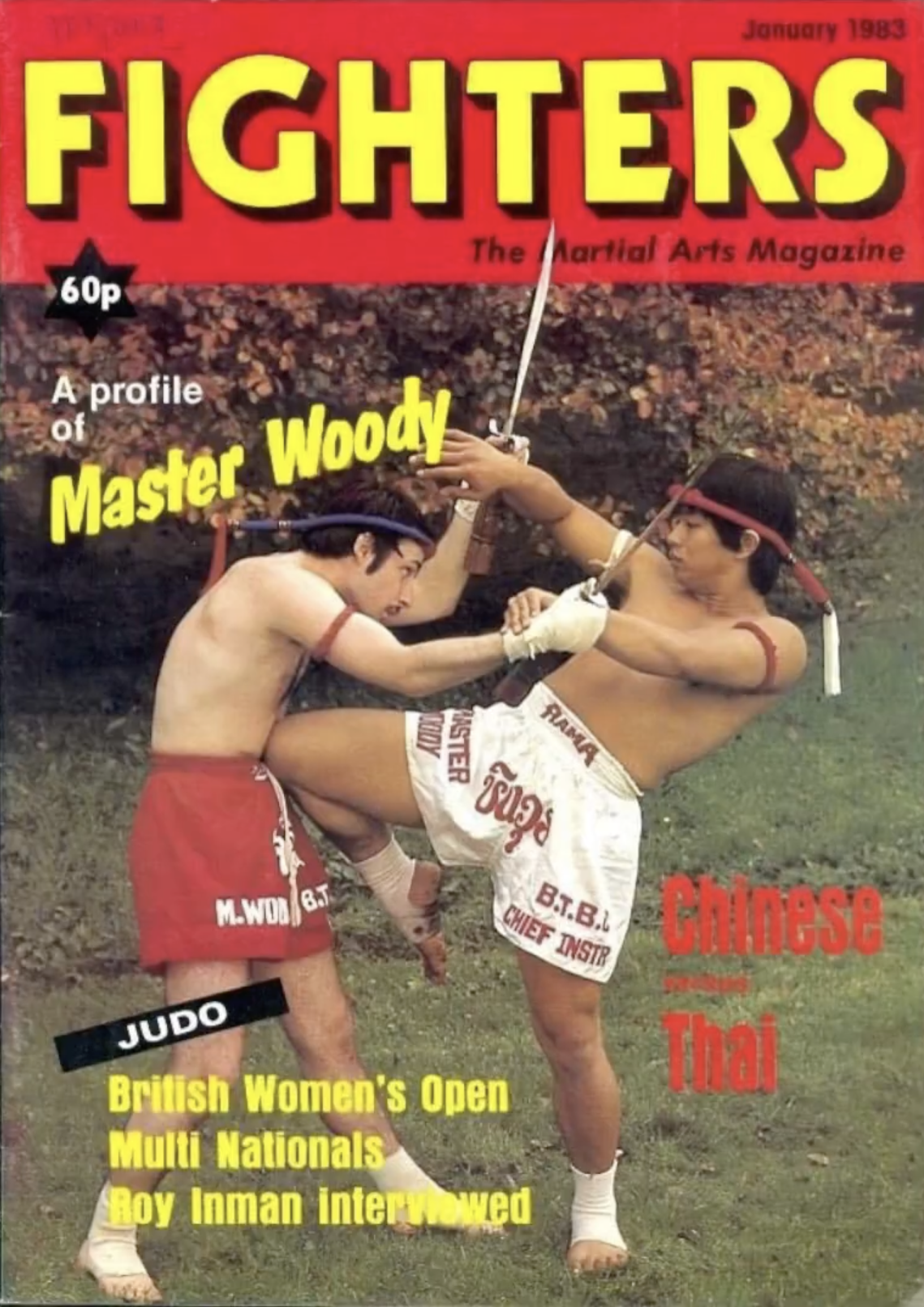
Grandmaster Woody
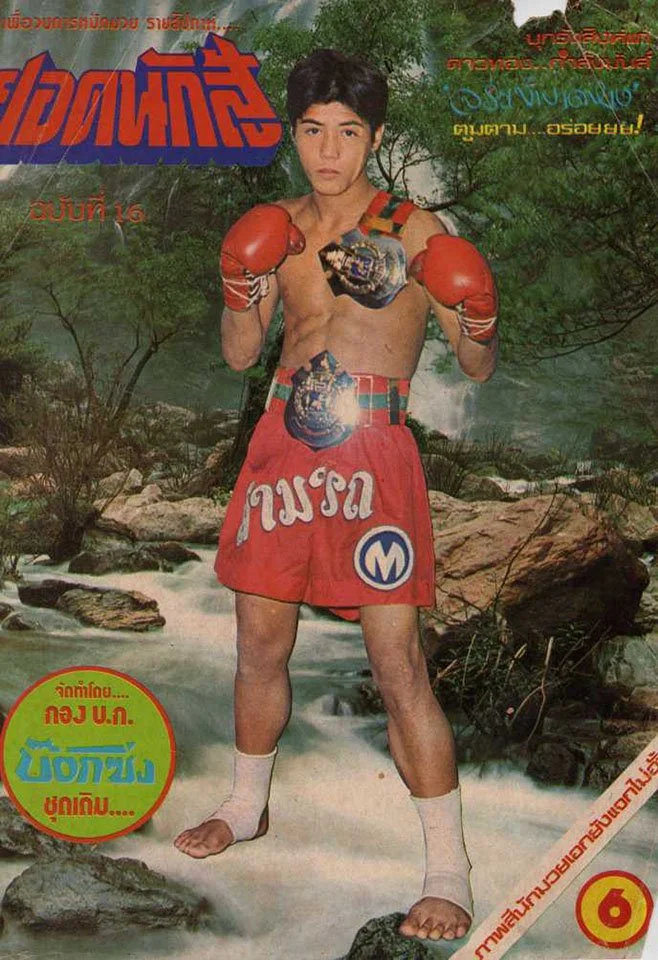
Samart Payakaroon
Aiming to Shoot.
In April 2023, Volders travelled through Thailand with a budget camera, a vague one-page script, and a few email contacts. “That was basically my master plan,” he laughs. “I really didn’t know how to prepare for it because it was my first time doing this… I had no funding or production company backing it, and I just thought, how hard can it be? You just film stuff and edit it afterwards!” He admits, “I’m so used to working in a studio, with video or music productions where everything is more or less under control. Shooting in a foreign country, with unknown people and no crew… I didn’t know what that would actually be like.”
Luckily, his brother Jethro was there, along with his partner Cheunsu Dhama, who teaches at Bangkok University and acted as a guide and translator. “Without them, this really would have been impossible. The language barrier alone can slow everything down immensely. They helped make contacts, set appointments, and defuse tricky situations. But even with their help, working with non-actors in uncontrollable environments remained a challenge. Often, it came down to courage, chance, and timing to capture a shot.” On the other hand, the improvisational nature fit well with his approach as a musician and producer. “The freedom to create something on the spot, to trust your intuition…that creates urgency. It’s a process of constantly discovering, welcoming the mistakes along the way.”
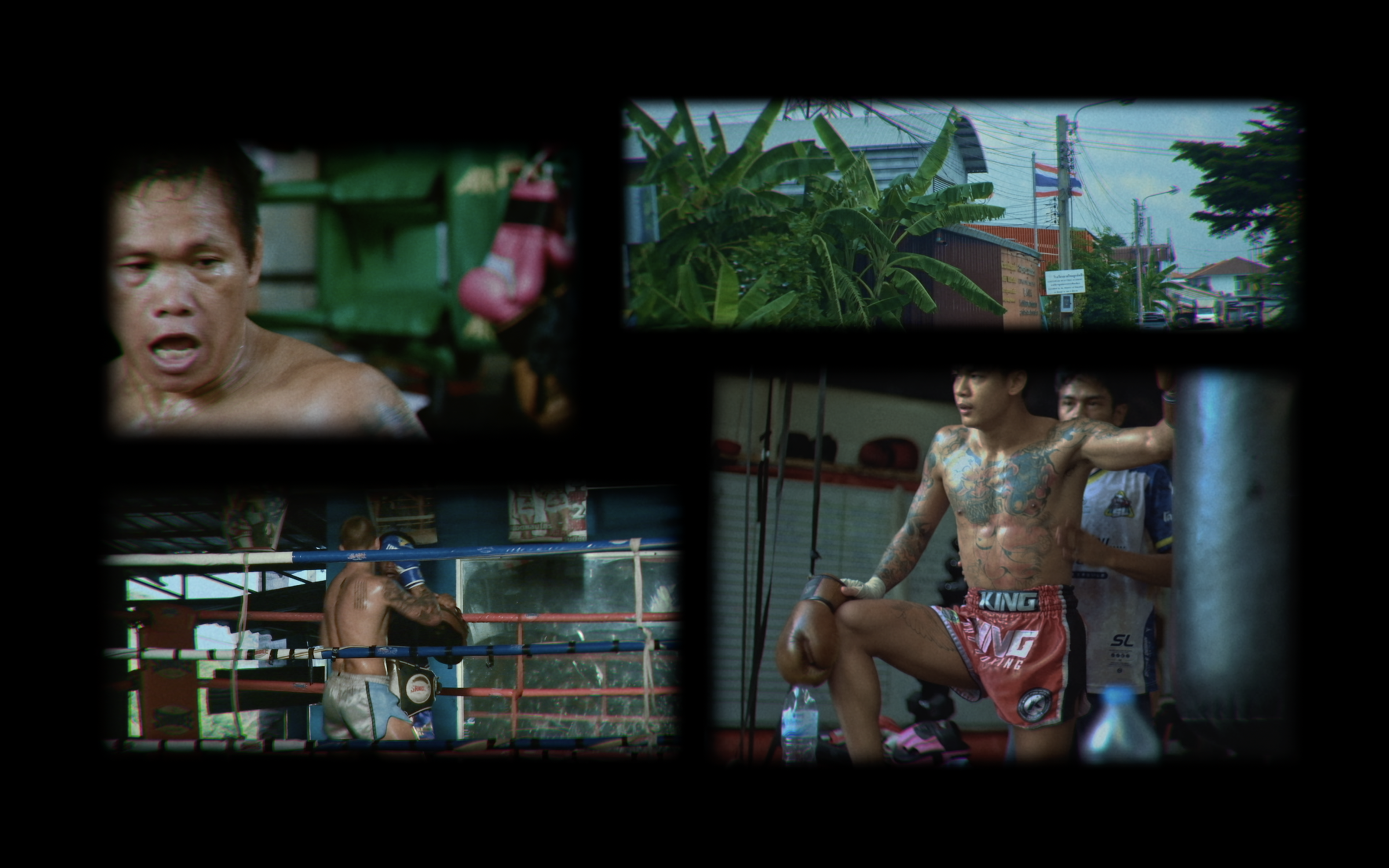
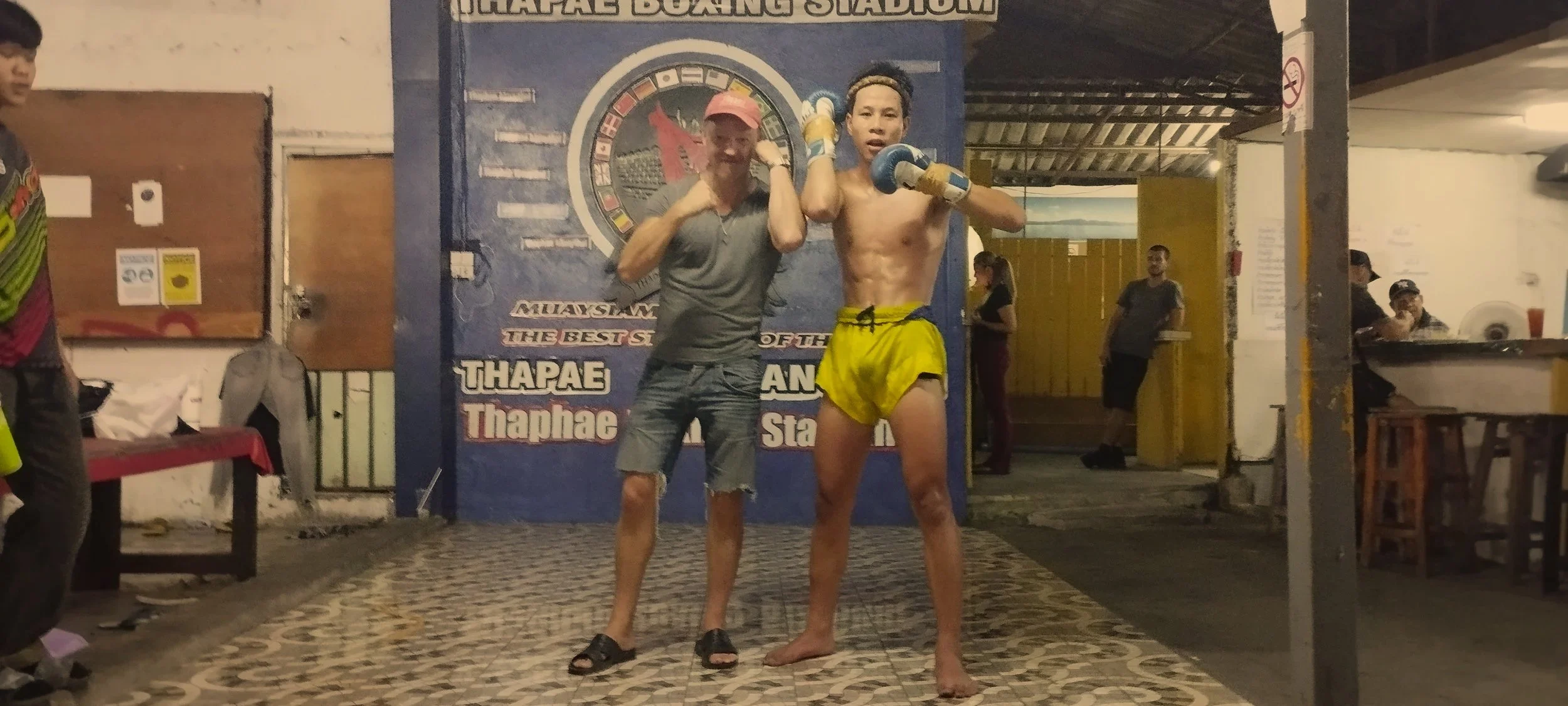
Young fighter Petch Daen Neua winning a local fight @ Chiang Mai
In Chiang Mai, while attending a local tournament, he met 19-year-old Petch Daen Neua, an up-and-coming talent from Sangha Muay Thai Gym. “He agreed to be filmed during his fight that evening and, to my astonishment, he won the match.” He is currently steadily climbing the ranks as a fighter and recently fought at Lumpinee Stadium, one of Bangkok’s legendary Muay Thai venues. In the film, he plays a younger version of the protagonist.
The atmosphere at these local tournaments left a strong impression. “Local fights are incredible. It’s not just a sport; it’s a social event, a whole community coming together.” Fighters, trainers, families, and spectators are all part of a functioning ecosystem. It’s a mentality and tradition with a long history… “In some ways, it reminds me of the football culture we have in Europe: zero-to-hero stories, small clubs that produce great athletes…”
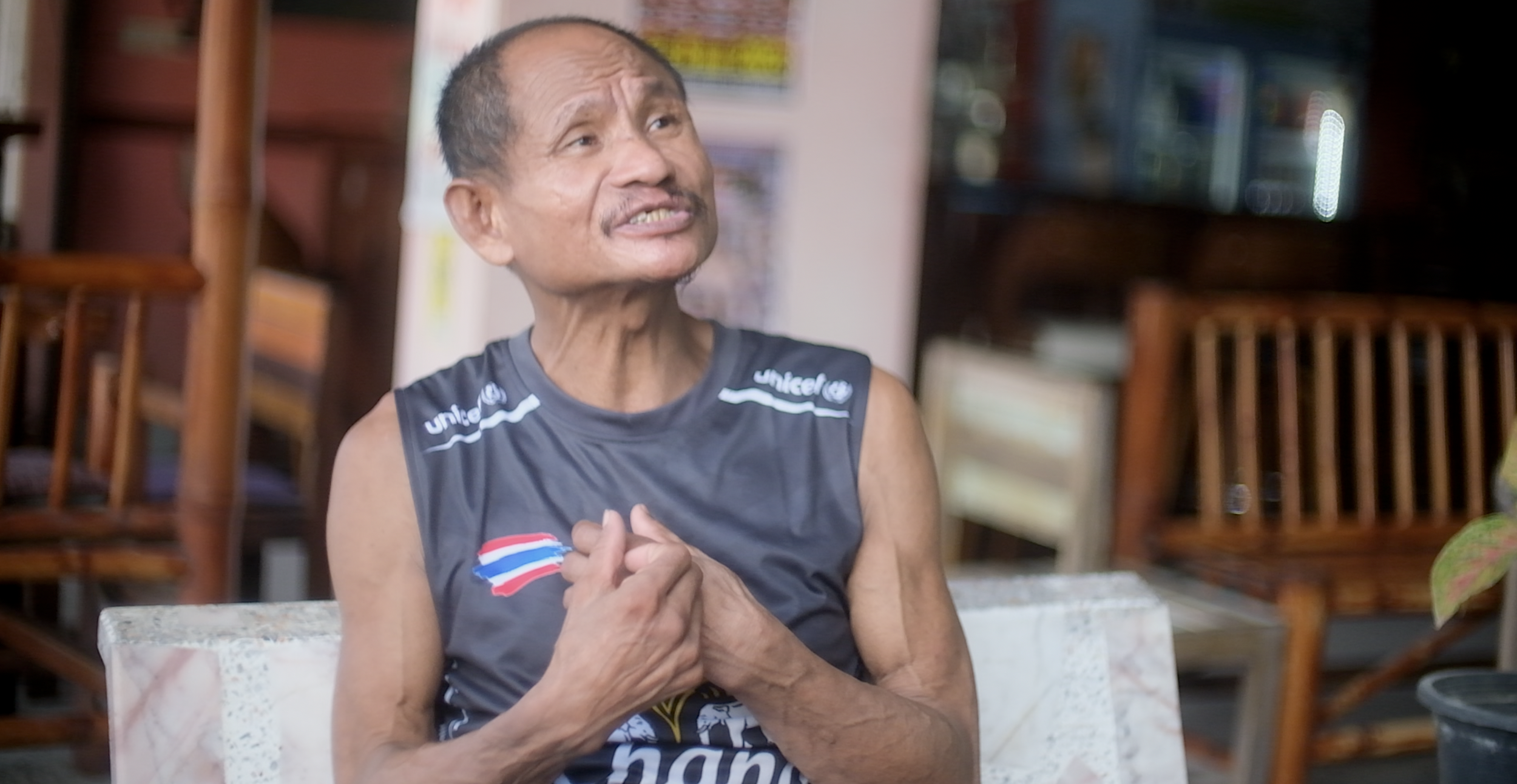
On Koh Samui, he met a practicing Muay Thai coach in his sixties. “He told me how he first started fighting as a kid after other boys repeatedly bullied him and stole the little money he had at school. Fighting became a way to stand his ground. Over his lifetime, he competed in more than 300 bouts as a professional Nak Muay. He was remarkably fit. He demonstrated a few powerful roundhouse kicks. We laughed together.” Encounters like this opened a window onto the lives and stories that have shaped Muay Thai across generations.
A Rising Star.
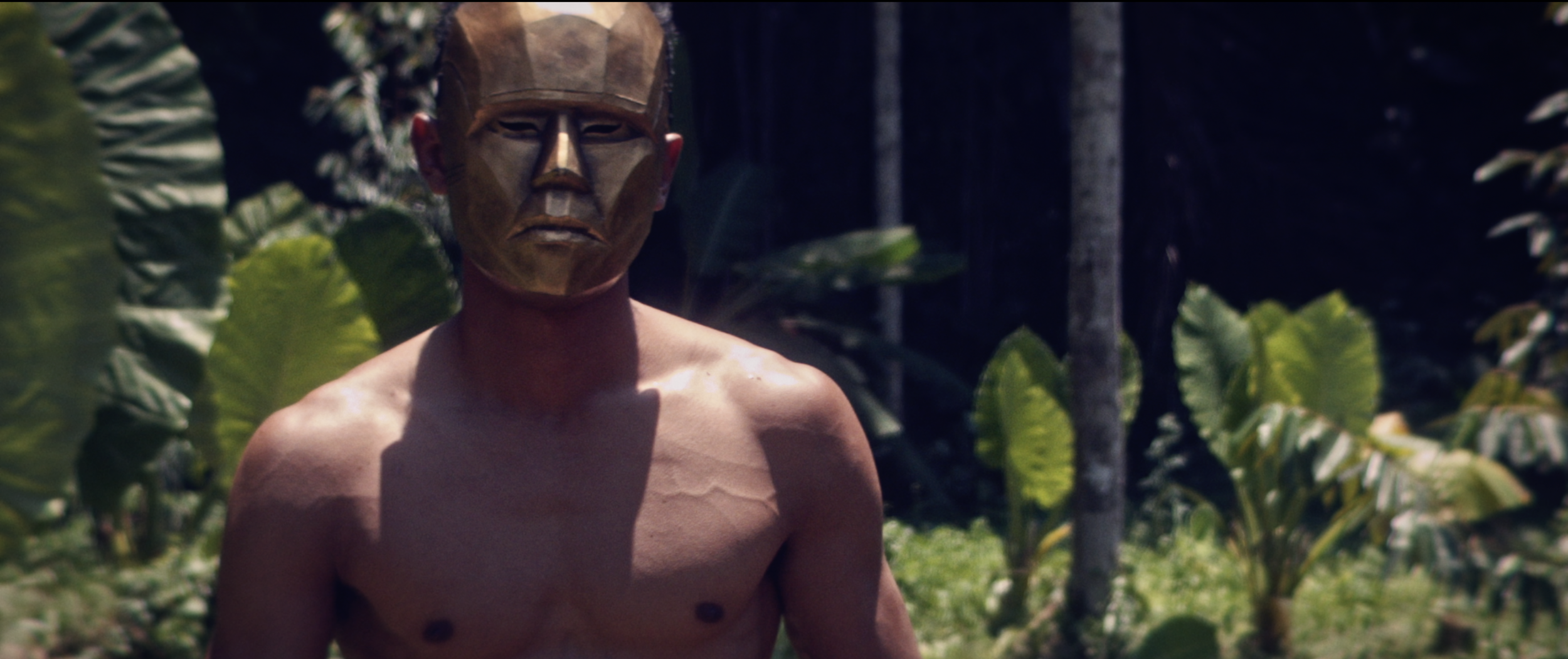
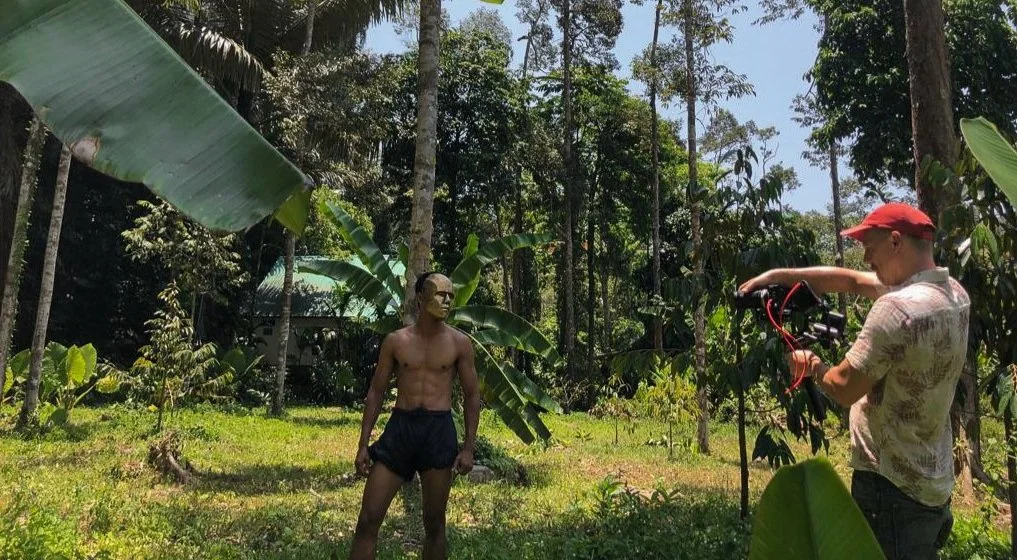
Another key encounter was with Sanit Lookthamsuea, the talented young coach at Emerald Muay Thai Gym in Krabi. “He had just come out of the shower when we arrived at an empty gym,” Volders recalls. “It was the middle of the afternoon and scorching hot. I explained my idea and showed him the mask… we did a quick shoot in the nearby forest.”
Sanit displayed immense grace and technique. “When you see someone like him, who has been training since early childhood, you realise what an amazing vessel the human body can be. It was like gravity didn’t work on him. He just danced effortlessly around it.”
When Volders met him, Sanit was a rising talent who had already won a few local championships. “Recently, I suddenly saw him competing in ONE Championship, one of the biggest global Muay Thai events, with millions of viewers. He won his debut match effortlessly with a head-kick knockout! You could see from his humble demeanour that he himself could hardly believe what had just happened, almost stammering into the microphone in front of millions of viewers. It’s amazing to see this transformation.”
Sanit used the prize money to help pay off his family’s debts and provide education for his children. “Stories like these are amazing. His story shows what Muay Thai can make possible for an individual fighter and his family. It truly is a story of perseverance and hope. I’m grateful to have met him and that he is part of this project. Sanit is incredible.”
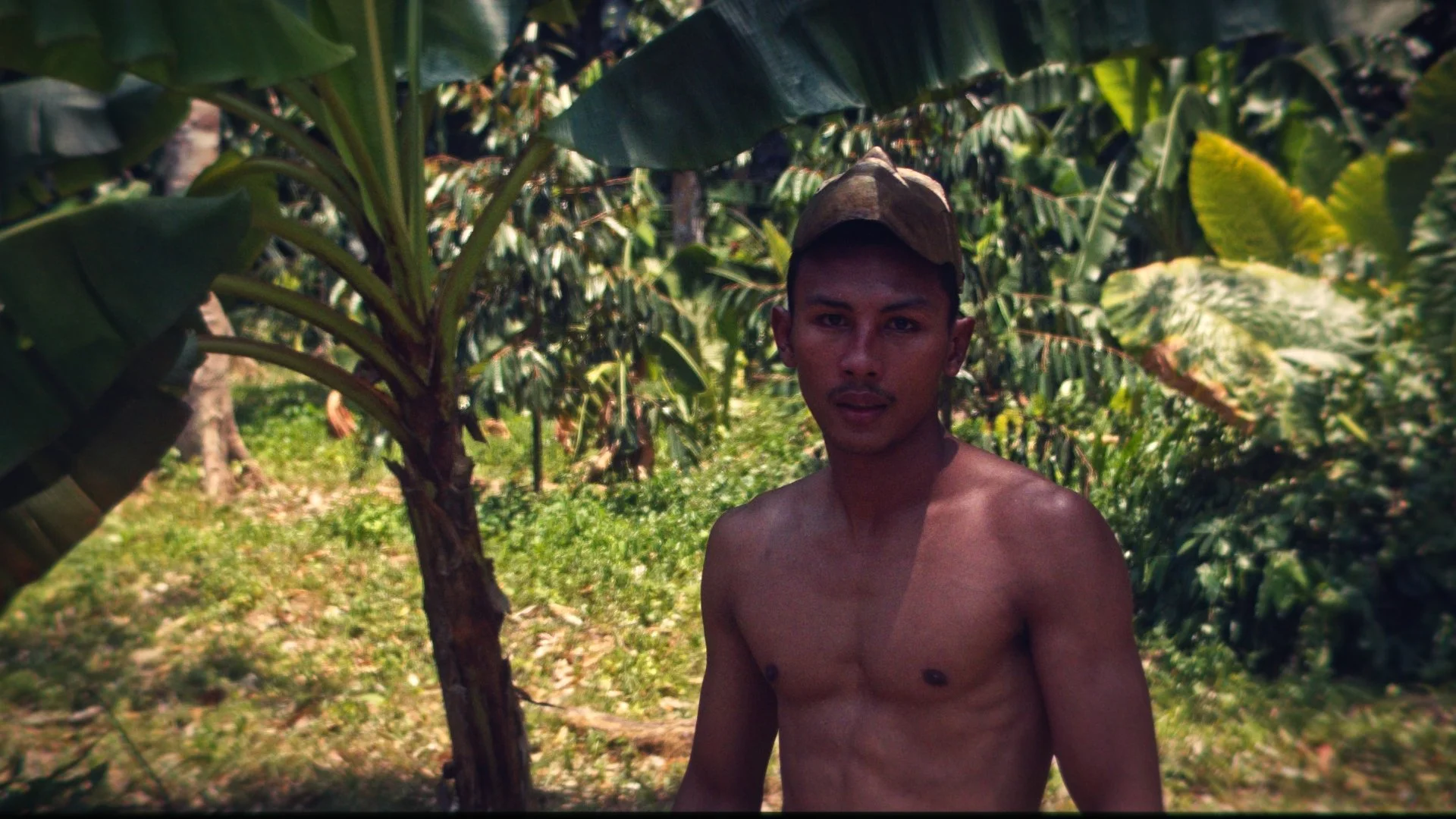
Sanit Lookthamsuea on set.
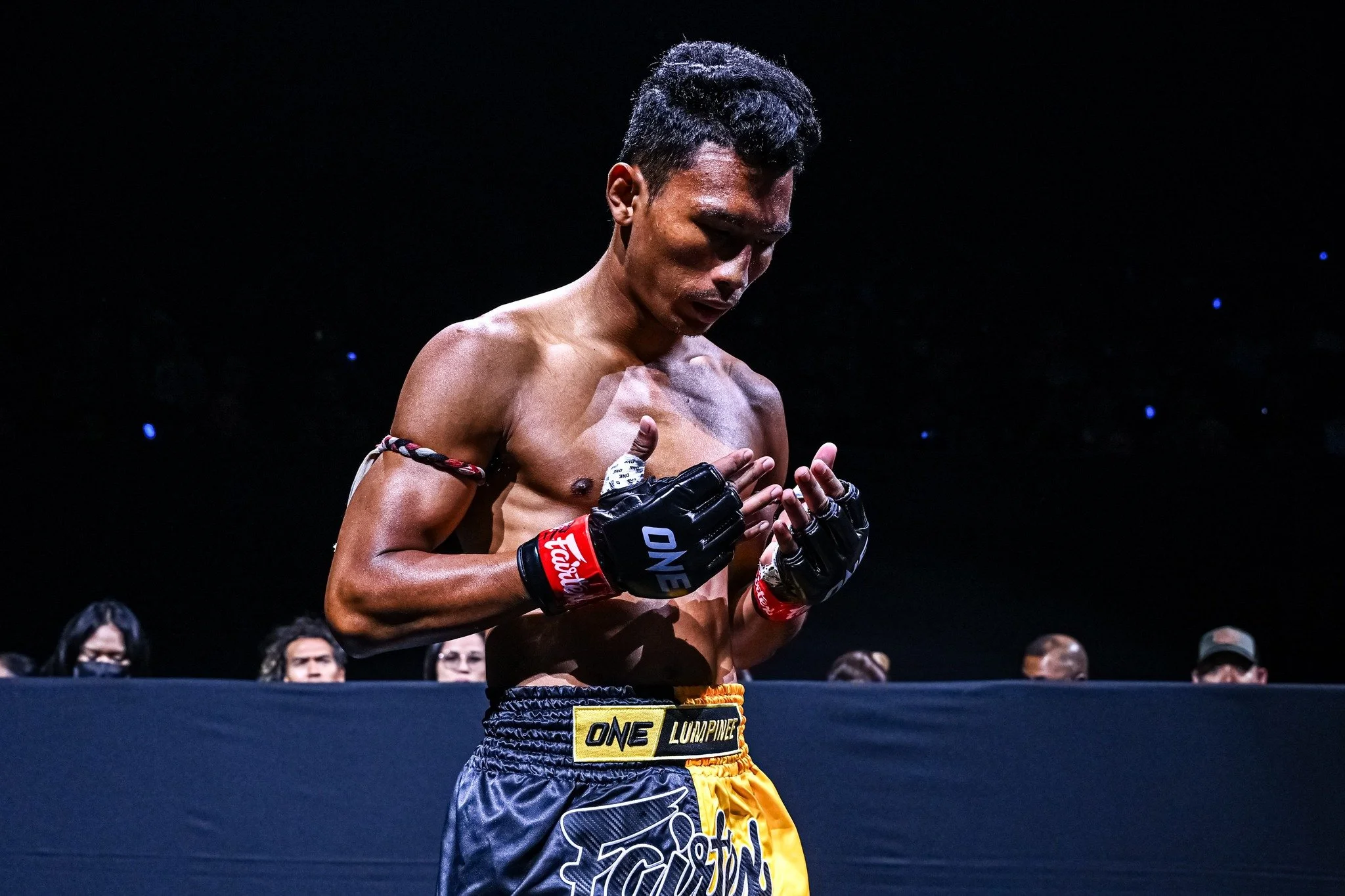
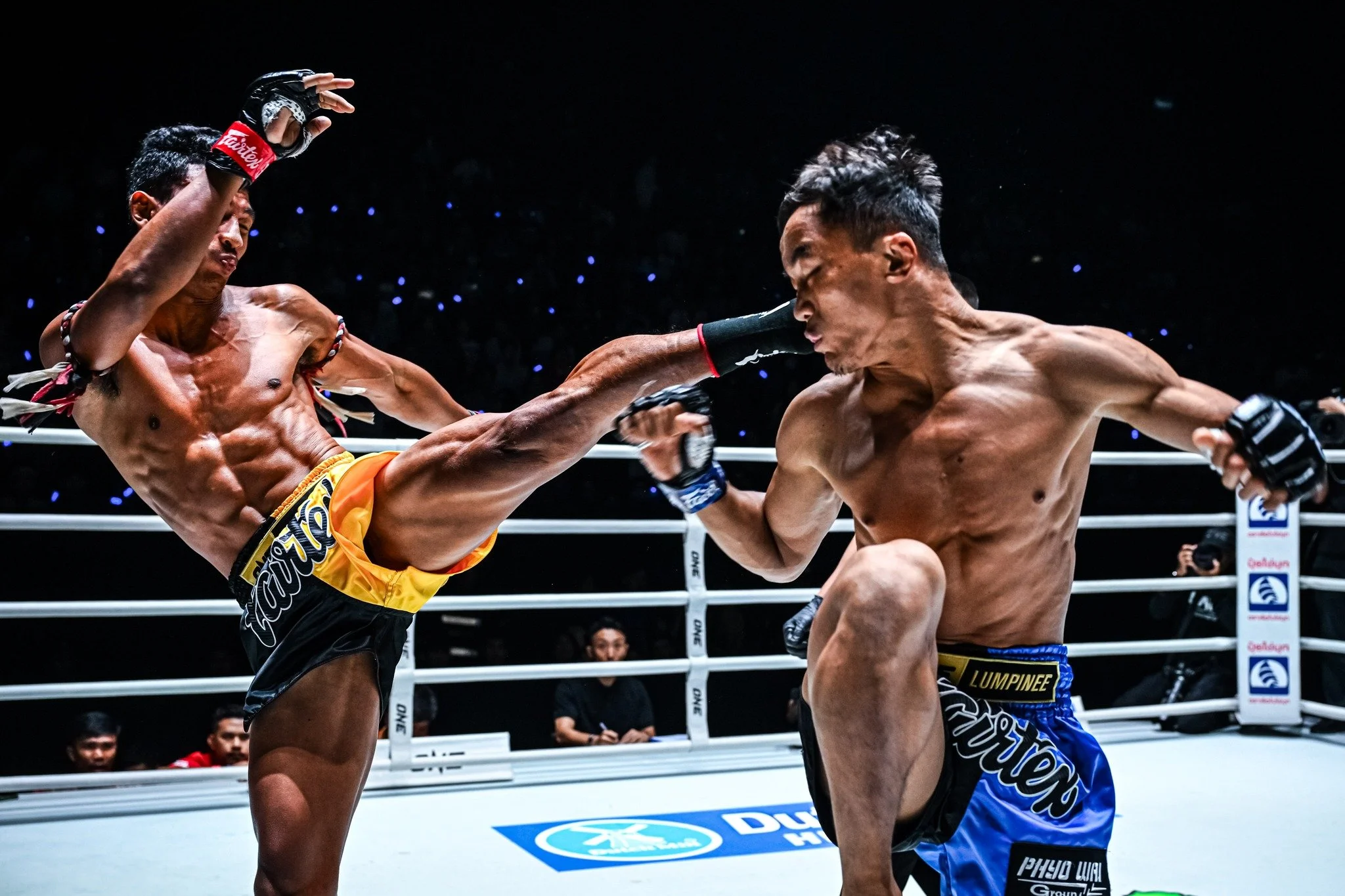
Sanit winning his debut fight at ONE Championship.
A Man Called Wachara Kanha.
“We were desperately searching for someone to take on the lead role, and only a few days before the first shoot, we met Wachara. His presence was intriguing, mysterious, and slightly intimidating. He’s a self-made personality. He immediately brought character to the story.”
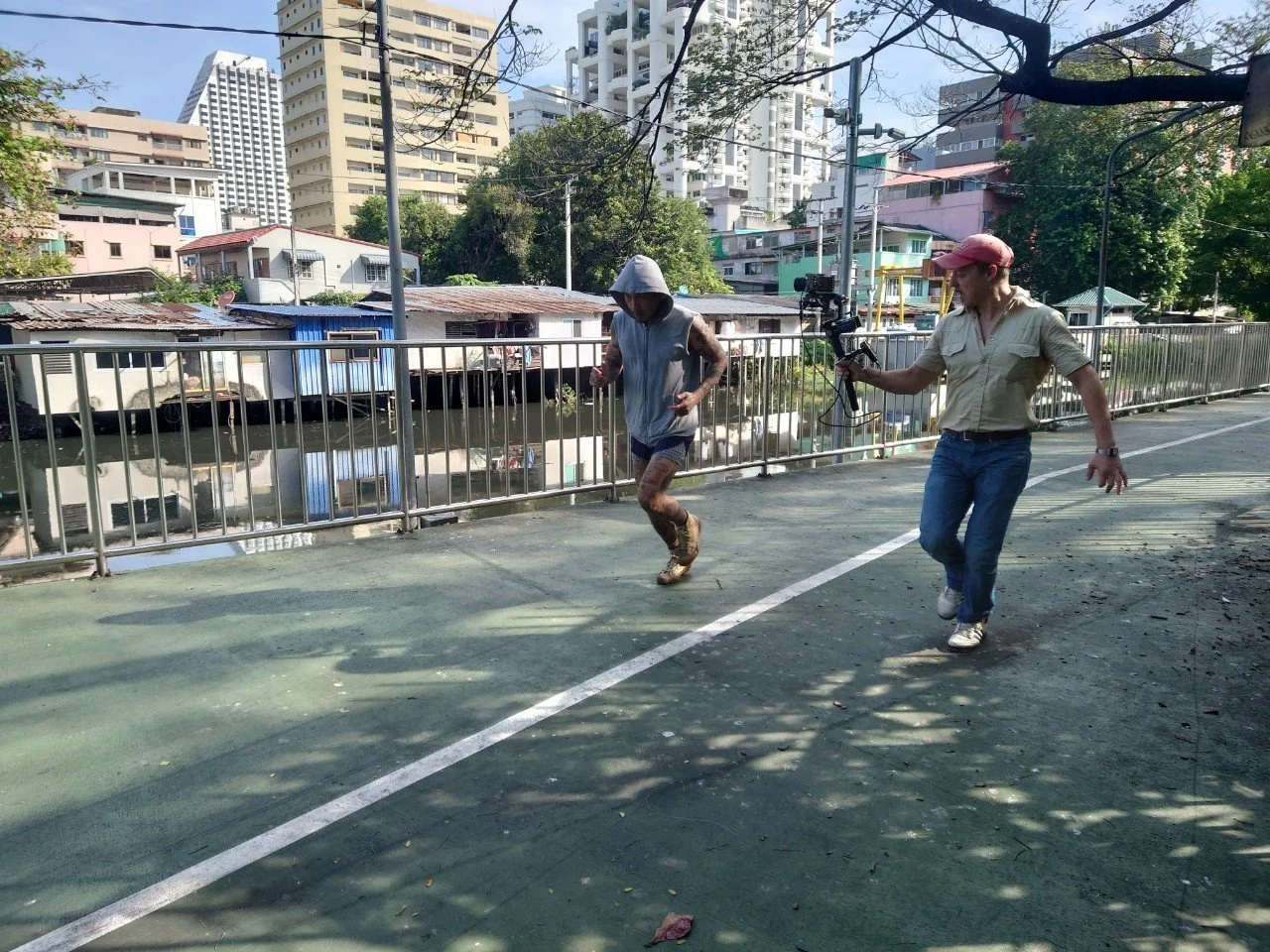
The first scenes were filmed in a half-abandoned slum. Wachara arrived on a battered, rattling enduro motorbike, while children played among rubble and car wrecks, with chickens, cats, and dogs roaming the streets. Scents of cooking, waste, and burnt rubber mixed with the distant traffic. Volders often felt like an intruder. “It sometimes feels like you’re entering a space that isn’t accessible,” he says. “You’re constantly balancing between observing and intervening, somewhere between being a spectator and a director. Everything felt intense: the sounds, the smells, the chaos, and yet there was also the warmth of the people who allowed us a glimpse into their lives.”
Volders already realised that not everything he captured would appear in the final cut, but that the memory of those moments would seep into the music. “That’s exactly what it is: the collecting of memories,” he says. “Even if they don’t end up in the film, they still form its foundation.”
Working with Wachara Kanha also meant that the line between fiction and reality blurred. Kanha’s personal history—a childhood dream of becoming a celebrated actor, his relationship with his father, periods of derailment, the pressure of expectations… all flowed directly into the film. And although he is not a Muay Thai athlete, his physique was impressive. Like a lot of kids in Thailand, he had taken gym classes and practised Muay Thai during his school years. It perfectly aligned with the film’s narrative of a once-promising young fighter who spent twelve years in prison and struggles, in vain, to reclaim his dream.
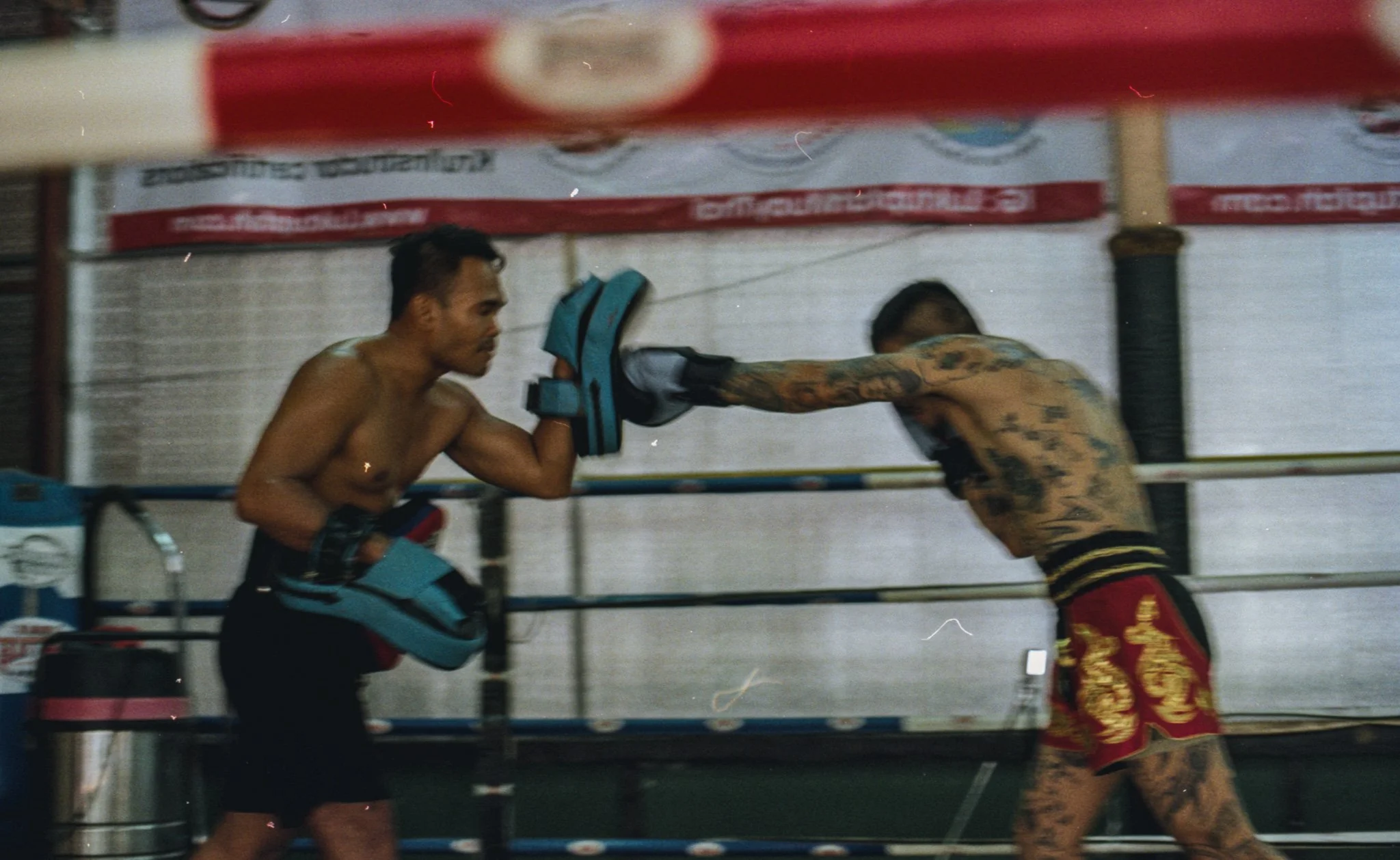
When we needed an interior shot, he invited us into his family’s home, where things became more intimate. The small house, barely distinguishable from the chaotic surroundings, housed his father, his brother, a barking dog, and a blaring television. A thin cardboard partition divided off a room where his younger brother was playing old video games.
Wachara brought a lot to the film. “He’s a bit of a Renaissance man, a truly creative brain. You can feel he has a lot of experience on many levels. He’s practical and artistic at the same time, always finding quick DIY solutions.” He picked up on small gestures and instructions, added his own ideas, and often simply knew what a scene needed. “There wasn’t much explaining necessary. When we talked, he understood the game immediately. He is a pro, but in a punk kind of way.”
Music As A parallel Universe.
After his first trip, Volders returned to Belgium with hours of footage. In his studio, he began creating music, directly fuelled by the memories and impressions he had gathered. “Some moments weren’t even filmed, but they lingered as memories and shaped the music,” he explains. The result was a kind of framework, a mental architecture upon which he could hang a musical world. It became a very acoustic and organic universe, where the fast and powerful movements of Muay Thai translated into angular orchestral motifs, with woodwinds breathing in and out, chased by scrap-metal percussion. In contrast, there are soundscapes where the contemplative voice of Kanha drifts in and out alongside field recordings.
Each new phase of editing gave rise to new compositions. In November 2023, he returned to Thailand to continue his research, interviewing more coaches and athletes. Finally, in 2024, a third journey followed, during which he filmed missing scenes and completed the narrative. Yet every trip also generated new music. “The film became a well of inspiration,” he says. “Many of my encounters kept resonating. It was as if a parallel universe emerged in sound, where imaginary side quests of all the people I met found their own little soundtrack… Sometimes in the form of miniatures, sometimes in extended compositions… The film might have been finished, but the world it opened just kept expanding. At some point, I had to stop, otherwise it would have become a three-hour album,” he points out. The album ultimately runs 81 minutes, divided into 30 pieces of music, released as a double LP on Mutropia.
Looking back, Volders feels the project has led to a kind of transformation. “Because I worked without a budget, support, or resources, I only realised later that it’s basically madness to shoot it, edit it, score it… Even for a short like this, you quickly lose the overview. There’s a reason films are made in teams. I cursed a lot during the process!” He pauses. “But I learned a lot… it changed the way I look, listen, and remember. It’s far from perfect, and you could argue that it is a glorified travel diary of some kind, but it convinced me that I want to do it better next time, that this was only a taste, an impulsive but honest experiment.”
Volders avoids offering a single, clear-cut message. “I could attach many themes and meanings, but it’s not my task to dictate how the work should be understood. There’s already enough curating and explaining of how music and art should be perceived in culture today. I prefer to leave space for others to interpret it as they want, like artist and writer Tom Lambeens, who wrote beautiful liner notes about his own listening experience that appear on the album sleeve. What matters is that the experience resonates and lingers with people on their own terms, without over-explaining.”
“So what’s next?” I ask.
Volders laughs. “No idea. That’s usually a good sign!”
■
Today, SǒN exists not only as a film and an album, but also as a live performance. Together with Andrew Claes and Japanese percussionist Tsubasa Hori, Volders has developed an audiovisual trip. Hori brings her detailed intensity and improvisational approach, while Claes brings his radical approach to wind instruments. Together, they perform selections from the album, accompanied by archival footage drawn from the film.